

Cat Dental Care: How to Take Care of Your Cat's Teeth
What is cat dental care? Simply put, it’s protecting your cat's teeth and gums from plaque, tartar, and disease. This includes brushing your cat's teeth (every day, if possible!), giving them dental treats to help reduce tartar buildup, feeding them dental-care cat food, and scheduling regular veterinary dental exams.
Most cats develop some form of dental disease by age three and, if left untreated, this can cause pain, difficulty eating, and even damage to vital organs.
The good news? Most feline dental problems are preventable!
In this guide, we’ll cover why dental care matters, the best ways to keep your cat's teeth clean, how to recognize warning signs of dental trouble, and when to call your veterinarian.
Key Takeaways
- Cat dental care is a routine that combines brushing, dental treats, diet, and veterinary exams to prevent oral disease.
- Untreated dental disease can cause pain, tooth loss, and the spread of bacteria to your cat's kidneys, liver, and heart.
- Begin dental habits as early as possible, and schedule veterinary dental exams twice a year or as recommended by your veterinarian.
- Brush your cat’s teeth regularly with cat-safe toothpaste, offer Veterinary Oral Health Council-accepted dental treats, and feed your cat a complete and balanced cat food.
- Common warning signs of dental problems include bad breath, red or swollen gums, changes in eating habits, and drooling.
- Contact your veterinarian if you notice bleeding gums, loose teeth, facial swelling, or a refusal to eat.
Why Cat Dental Care Is So Important

Most cats three years old and up have some kind of tooth or gum disease. Bacteria and debris can easily harden into tartar on their teeth, leading to gum inflammation and gingivitis.
But it isn’t their fault! Domestic cats don't have the benefits of the natural tooth cleaning their wild relatives get from chewing raw prey and bones, so plaque builds up quickly. And if they can’t get rid of it on their own, we have to step in. Not brushing your cat’s teeth is like never brushing your own. The difference is that they can’t tell you when it hurts.
The key is dealing with dental issues as soon as you notice them. For instance, you may be able to reverse early-stage gingivitis with the right treatment in some cases. But advanced periodontal disease can cause permanent damage to the tissues and bone that support your cat’s teeth.
What’s more, pain and inflammation from dental issues make eating and drinking tough for your cat, possibly leading to weight loss, dehydration, nutritional problems, and behavioral changes. And bacteria from infected gums can enter your cat’s bloodstream and possibly damage vital organs.
Routine dental care goes a long way toward preventing these issues and supports fresher breath, healthier gums, and a happier cat. (Which means a happier you!)
Ways to Take Care of Your Cat's Teeth
Taking care of your cat’s teeth doesn’t boil down to just one thing. Rather, it’s a combination of approaches that create a complete dental care routine. Make sure to include:
- Toothbrushing
- Dental treats
- A complete and balanced diet
- Hydration
- Professional cleanings
Consistency across these approaches gives your cat the most thorough dental care possible! Let’s take a look at each in more detail.
Brush Your Cat’s Teeth Regularly
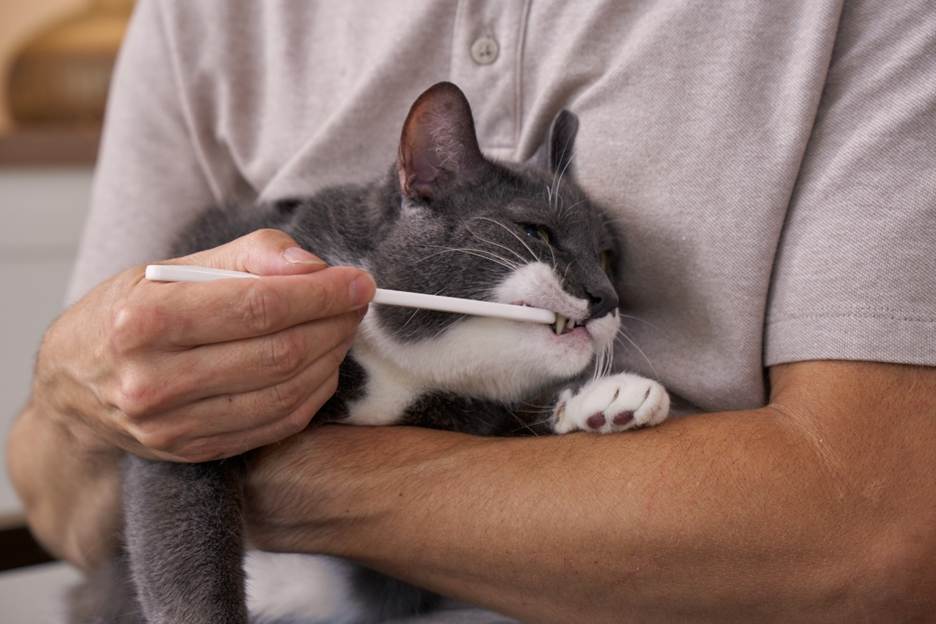
Table of Contents
Daily toothbrushing is the single most effective way to remove plaque before it hardens into tartar. It sounds complicated, but we can walk you through it.
First up is finding the right toothbrush. You have options:
- Baby toothbrush with soft bristles
- Sponge toothbrush
- Specialty cat toothbrush that fits on your finger
Wrapping your finger in gauze works, too, and is actually a good way to get your kitten used to having their teeth cleaned.
Next? Toothpaste. Never use human toothpaste because fluoride can be highly toxic to cats. Instead, choose a toothpaste made for cats. They come in flavors like beef or chicken, making the experience more appealing (at least for your cat!).
Let your cat taste the toothpaste from your finger first, then progress to gently massaging their gums with gauze. Finally, you can introduce the toothbrush.
When brushing your cat’s teeth, focus on the outside surfaces of the teeth where plaque accumulates most. Keep sessions short, and reward your cat afterward to build a positive association.
Dental Wipes
If your cat is not on board with toothbrushing (yet!), dental wipes are a great training step. Using wipes formulated specifically for cats, wrap a wipe around your finger and gently rub along the outer surfaces of your cat’s teeth and gumline.
Dental Treats and Chews
On to something a little less daunting for you and a little more appealing for your cat! Dental treats and chews reduce tartar because their crunchy, abrasive texture scrapes your cat’s teeth as they chew.
Look for treats that carry the Veterinary Oral Health Council (VOHC) Seal of Acceptance, which means they meet the standards for reducing plaque and tartar, and follow the feeding guidelines on their packaging. (Even if your cat tells you they want more!)
Feed Your Cat a Balanced Diet
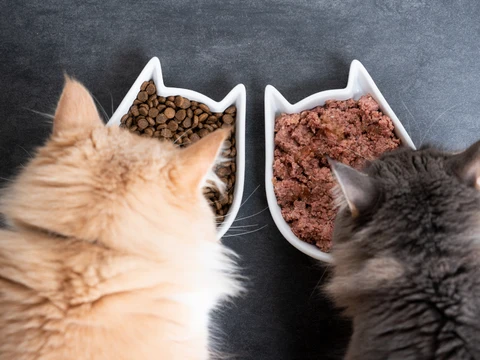
Feeding your cat a complete and balanced diet not only supports strong teeth and healthy gums; it also contributes to their immune system health. But you’ve got choices: do you want to feed your cat dry kibble, wet food, or both?
Like dental treats, some dry kibble creates a mild abrasive action when your cat chews, which helps reduce surface plaque.
Wet food supports your cat’s hydration, but doesn’t reduce plaque and may even stick to their teeth. Choosing wet food is perfectly fine if you balance it with your cat’s regular oral care routine.
Whether it’s dry or wet, make sure the food you choose is labeled “complete and balanced” for your cat’s specific life stage.
Keep Your Cat Hydrated
While wet food helps with hydration, nothing replaces drinking water. Water is essential for your cat’s overall health, and it helps rinse food particles and bacteria from their mouth.
If your cat needs a bacteria-reducing boost, try putting dental water additives with enzymes into their fresh water daily. (Remember to consult your veterinarian before you add them.)
If your cat doesn’t like the taste of the additives, you can keep a bowl of plain water available as you introduce them gradually.
Schedule Regular Veterinary Dental Exams
The steps above are important, but when it comes to maintaining your cat’s oral health, nothing can take the place of professional dental care.
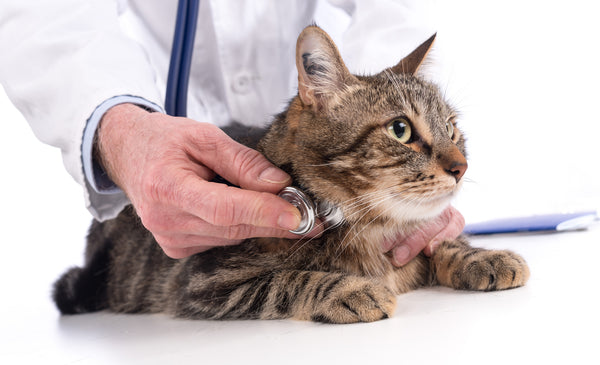
During wellness visits, your veterinarian will examine your cat's mouth and teeth for signs of gingivitis, tartar buildup, loose teeth, and other potential dental issues. They'll let you know if you need to adjust your cat's routine or if they need a professional cleaning or other treatment.
If it turns out your cat does need a cleaning, your veterinarian will determine if they’re healthy enough to get anesthesia. Putting cats "under" during a dental cleaning is standard practice because it minimizes their anxiety and helps them stay still.
During the cleaning, hand and ultrasonic scalers are used to remove tartar above and below the gum line. After the scaling is done, your cat’s teeth are polished, which helps reduce the rate of new plaque buildup.
Proactive oral care is the best way to support your cat's dental health. Scheduling vet checkups twice a year is the key!
Cat Dental Care Methods Comparison
As you now know, a multi-pronged approach provides the most complete oral care for your feline friend, but it’s useful to see how each approach helps. Just don’t forget the most critical part of the oral health routine: regular veterinary visits.
Method | How It Helps | Frequency | Key Tips |
Tooth Brushing | Removes plaque from tooth surfaces and along the gumline | Daily or several times per week | Use cat safe toothpaste only |
Dental Treats | Crunchy texture scrapes away surface tartar during chewing | Daily, per package directions | Choose VOHC accepted products |
Dental care cat food | Specially formulated kibble cleans teeth with each bite | Per veterinarian guidance | Ask your veterinarian if a dental diet is appropriate |
Water Additives | Enzyme based formulas reduce oral bacteria | Daily, added to fresh water | Introduce gradually; keep plain water available |
Dental Wipes | Direct contact cleaning for cats that resist brushing | Daily or as recommended | A good transition step toward brushing |
Veterinary Exams | Professional scaling and polishing above and below the gumline | Semi-annually, or as recommended | Requires anesthesia; includes radiographs |
Signs Your Cat May Have a Dental Problem
Cats hide pain well, and they come by it naturally. Their ancestors in the wild couldn’t show signs of weakness or they would be easy prey. Flash forward to today: you can’t always tell when your cat has an oral health problem just by watching their behavior.
This means you need to be a proactive pet parent and monitor your cat's teeth and mouth regularly.
It’s also important to keep an eye on your cat's eating habits. If you notice they’re eating more slowly or more carefully, take a closer look for signs of a dental problem. If your cat refuses to eat at all and you can see they’re losing weight, contact your veterinarian.
Decreased grooming can also be a subtle sign of chronic dental pain. You may also notice behavioral changes, such as increased irritability or aggression, hiding, or vocalizing more than usual. The good news is that dental complaints, even if a tooth needs to be extracted, are relatively minor and can usually be corrected.
Common Feline Dental Conditions
Even though most dental problems in cats aren’t serious, some are. And several common dental conditions can develop gradually and without clear symptoms, making it hard to know when your cat needs oral health help.
Consistent veterinary visits are the most effective way to catch these conditions early. Learn about them below.
(Note: This table is for general awareness. Your cat’s symptoms may span more than one of these conditions. If you notice any unusual signs in your cat, contact your veterinarian.)
Condition | What It Is | Why It Matters |
Gingivitis | Inflammation of the gums caused by plaque buildup at and below the gumline | Reversible in early stages with professional cleaning and at home care |
Periodontitis | Advanced gum disease that damages the tissues and bone supporting the teeth | Can lead to tooth loss; may not be fully reversible once advanced |
Tooth Resorption | A progressive condition where a cat's body breaks down and absorbs tooth structure from the inside out | One of the most common feline dental diseases; treatment often involves extraction |
Stomatitis | Severe, painful inflammation of the mouth and gums extending beyond the teeth | May require advanced treatment including extractions; consult a veterinarian immediately |
When to Contact Your Veterinarian
Contact your veterinarian if you notice:
- Persistent, unusually bad breath
- Yellow, discolored, or visible tartar buildup on your cat’s teeth
- Red, swollen, or bleeding gums
- Unusual drooling
- Pawing at their face or rubbing their mouth against objects
- Difficulty chewing and food falling out of their mouth when eating
Support Your Cat's Dental Health with GREENIES™ Dental Treats

Your cat’s dental health is important, and because home is with you (and not out in the wild!), you’re responsible for the vital care of their mouth. So remember to brush their teeth, take them for professional cleanings, and keep a close watch for signs of oral health problems.
Those tasks aren’t always easy, but choosing to give your feline friend GREENIES™ dental treats is!
GREENIES™ Cat Dental Treats are a tasty, simple way to support your cat’s oral health. Shop a variety of enticing flavors like catnip, tuna, salmon, and more to help keep your cat's teeth clean and fresh!
Contributor
Dena Bley is a registered veterinary technician with 25 years of experience and Sr. Expert Advice Team member. She began her career as a researcher at P&G before joining the Pet Health and Wellness Team at Mars 2014. With deep roots in Ohio, Dena brings over a decade of research experience and a passion for animal care, complemented by her hands-on work with a variety of animals on her family’s small farm.
References
- https://www.vet.cornell.edu/departments-centers-and-institutes/cornell-feline-health-center/health-information/feline-health-topics/feline-dental-disease
- https://www.avma.org/resources-tools/pet-owners/petcare/pet-dental-care
- https://www.rspcapetinsurance.org.au/pet-care/cat-care/guide-to-cat-dental-care
- https://vcahospitals.com/know-your-pet/dental-cleaning-in-cats
- https://www.heartofbrooklynveterinary.com/site/blog/2023/10/15/cat-dental-health-hygiene
- https://www.avma.org/news/new-guidelines-call-earlier-diagnosis-intervention-feline-dental-disease
Frequently Asked Questions
More Articles Like This

Why Does My Dog Lick Everything?
Dogs lick due to boredom, anxiety, affection, or medical issues. While occasional licking is normal, persistent licking requires a veterinarian visit.
READ MORE
Dog Dental Cleaning: What To Expect And How To Prepare
Dog dental cleanings can help your pup feel their best. Learn what to expect from these vet visits and what you can do at home to keep their teeth healthy.
READ MORE
2 Steps on How to Fix Bad Dog Breath
Dog parents are no strangers to bad breath. From waking up to smelly puppy kisses to being held captive in a car with your dog's stinky breath, you've had your fair share of not-so-fresh breath encounters. But, there's a simple routine you can follow to help get rid of your dogs bad breath.
READ MORE
Why Does My Dog Eat Gross Stuff — and Should I Be Worried?
Sometimes dogs will look at a lawn or a dog park and see a big, tasty buffet: dirt, grass, poop and who knows what else? Dogs eating odd nonfood items is a relatively common behavior; the condition even has a name: pica. But you keep your pooch well-fed with plenty of tasty, nutritional food, so why would they choose t
READ MORE