
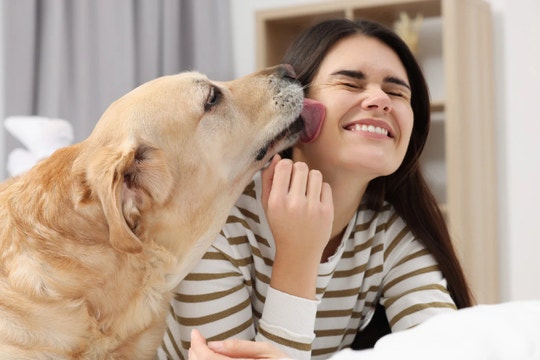
Why Does My Dog Lick Everything?
If you’ve ever found your canine friend treating the couch like a lollipop, you might be wondering, “Why does my dog lick everything?”
This behavior can happen for a variety of reasons, including boredom, anxiety, hunger, affection, grooming instincts, allergies, nausea, and/or underlying medical conditions.
Occasional licking is perfectly normal behavior for your dog. But excessive or obsessive licking of floors, furniture, paws, or people may be a sign that something else is going on.
Understanding why your dog licks can help you separate the normal behavior from the ones that require medical attention. In this guide, we'll discuss the most common reasons dogs lick excessively, signs that indicate a problem, and practical ways to redirect this behavior.
Key Takeaways
- Common causes of excessive licking include boredom, anxiety, hunger, attention-seeking, grooming, and affection.
- Behavioral triggers include stress, habit formation, and lack of mental stimulation.
- Medical triggers include allergies, nausea, pain, dental disease, or neurological problems.
- Occasional licking is natural, but constant licking may indicate there’s something else going on in or on your dog’s body.
- When licking becomes persistent to the point that it causes hair loss, skin irritation, or behavioral changes, get your dog checked out by a veterinarian.
Common Reasons Dogs Lick Everything
Dogs lick for many different reasons. Here's a quick breakdown of the most common causes, what they look like, and what typically triggers them.
Reason | What It Looks Like | Typical Triggers |
Boredom | Licking floors, walls, furniture, or self | Lack of exercise, mental stimulation, confinement |
Anxiety | Repetitive licking of paws, lips, or objects | Separation, loud noises, new environments |
Habit | Continued licking even when original trigger is gone | Behavior that started from boredom or anxiety becomes ingrained |
Hunger | Licking food bowl, kitchen floor, owner's hands | Approaching mealtime, detecting food residue |
Attention-Seeking | Licking owner's face, hands, or feet | Learned behavior reinforced by owner response |
Allergies | Focused licking on paws, belly, or one body area | Environmental allergens, food sensitivities |
Nausea | Licking floors, surfaces, or lips repeatedly | GI upset, dietary indiscretion, illness |
Pain | Licking a specific joint or body part | Injury, arthritis, or localized discomfort |
Note: If licking is sudden, excessive, or focused on one area, consult your veterinarian to rule out medical causes.
Behavioral Reasons Why Dogs Lick Things
Boredom
What It Looks Like
When dogs get bored, they find their own ways to entertain themselves. This is especially true when dogs don’t get enough physical or mental stimulation. That entertainment, which may include excessive licking, may not always be conducive to your home (or their own body).
Licking releases chemicals in their brain that help your dog relax and stay calm. That’s why they turn to that activity when they’re bored, confined, or understimulated.
How to Help
Give your dog plenty of daily physical exercise (walks, runs, fetch, swimming), and offer lots of mental stimulation, such as puzzle toys, snuffle mats, and treat-dispensing toys.
Positive reward training is also a great way to teach your dog desirable behaviors while helping them burn mental and physical energy.
Anxiety
What It Looks Like
Your dog may be suffering from anxiety if they engage in repetitive licking of their paws, lips, or other objects during stressful situations, or the licking intensifies during storms, fireworks, or when their favorite person leaves.
In some cases, your anxious dog may combine excessive licking with panting, pacing, whining, or hiding.
How to Help
Create a calm, safe space for your dog, especially during stressful events, using calming aids such as anxiety wraps, pheromone diffusers, or supplements. Work with your veterinarian to determine which supplements are best for your dog and how much to give them.
It also helps to establish consistent daily routines if their anxiety is caused by their humans leaving. With time and practice, you can gradually desensitize your canine friend to the triggers that are causing their anxiety.
Note: In cases of severe anxiety, partnering with your veterinarian and an experienced positive reward-based dog trainer is highly advised.
Habit
What It Looks Like
While your dog may start licking because they’re bored or anxious, that behavior can become ingrained. When that happens, they may even lick excessively when they’re exercised, calm, and healthy.
This type of habitual licking can be difficult to break or redirect and may persist even after the original trigger is gone.
How to Help
When your dog starts licking, redirect their attention to alternative activities such as long-lasting chews, lick mats, or other approved outlets.
Other ways to help include reinforcing calm, non-licking behavior with praise or treats, addressing underlying causes that may have started the habit, and providing consistent enrichment to prevent boredom-driven habits.
Hunger
What It Looks Like
If your dog licks their food bowl, the floor, or even your hands, it may be a sign that they’re hungry or thirsty.
How to Help
If this happens before a meal, that just may be your dog’s way of telling you that they’re ready to eat. If it happens after a meal, they’re likely trying to tell you that they’re still hungry.
Talk to your veterinarian and reexamine your dog’s diet to make sure they’re getting enough food at each meal. You can also try using a slow feeder to extend mealtime satisfaction, and offer healthy treats between meals when appropriate.
Attention-Seeking
What It Looks Like
Dogs learn early on that licking can get them attention in the form of talking, petting, and eye contact, especially when owners and others react in the same way over and over.
Your dog may lick specific body parts, such as your face, hands, or feet, when you’re focused on something else. This is a bid to get your attention and prompt some kind of interaction.
How to Help
To stop the “attention licks,” try not to react when they happen. Instead, wait for your dog to calm down, redirect them with a “sit” or “down” cue, and then reward them with praise or a treat.
Medical Reasons Why Dogs Lick Things
Table of Contents
Dog Allergies
What It Looks Like
If your dog licks their paws, belly, groin, or ear way past good grooming, an allergy might be the culprit. This behavior can result in red, irritated, or inflamed skin in licked areas, and may even cause hair loss or brown saliva staining on their fur.
If the licking only happens during certain times of the year, it may be a seasonal environmental allergy. If it happens all year long, it could be a food allergy.
How to Help
For suspected seasonal allergies, speak with your veterinarian. They may recommend cleaning your dog’s paws or body with pet wipes or a wet washcloth after they come in from outside to see if that reduces the licking.
If that doesn’t help or you suspect a food-based allergy, the best bet is to call your veterinarian.
They can determine if your dog has an allergy and can then prescribe an antihistamine, suggest a pet shampoo to help them feel more comfortable, or recommend an elimination diet to identify food triggers that cause itching.
Nausea
What It Looks Like
Tummy trouble, such as nausea, may cause your dog to lick floors, carpets, walls, and even their own lips. This behavior may be accompanied by drooling, grass eating, or reduced appetite, and vomiting or diarrhea may follow.
How to Help
If you see these signs from your dog for more than 24 hours, reach out to your veterinarian right away. Be sure to tell them if you've been seeing other signs that they aren't feeling their best (like not eating).
Pain
What It Looks Like
Your dog may start licking a joint, limb, or specific area of their body if they’re experiencing pain from injury, arthritis, or other internal conditions.
For adult dogs, this type of licking may be accompanied by limping, stiffness, or reluctance to move. For senior dogs, it may be accompanied by disorientation, changes in sleep patterns, or other cognitive signs.
How to Help
Examine the area your dog is licking for swelling, redness, or injury, and consult your veterinarian to rule out arthritis, injury, or neurological issues.
Pain management or cognitive support supplements may help senior dogs, but don't dismiss sudden behavioral changes as they often signal an underlying issue.
When to Be Concerned About Licking
Sometimes what appears to be odd licking behavior, like licking windows, floors, or the air, has a reasonable explanation.
Your dog may lick windows or floors because they like the texture. Or your dog may lick the air because they have something stuck to the roof of their mouth or in their teeth. At other times, they might just be trying to snag a potent smell floating on the breeze.
In those instances, there’s no reason to be concerned. But if your dog’s licking habit seems excessive, there may be something wrong. Below are potential causes to consider and ways to help.
How to Handle Excessive Licking
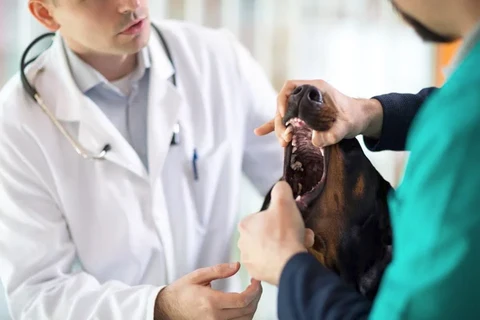
Talk to Your Veterinarian
If you've noticed a pattern of excessive licking, your veterinarian needs your help in understanding why it's happening. Capture as many details as you can about your dog's licking behavior, including:
- When it started
- Any major changes in your life or home when the licking first occurred
- When licking happens
- What your dog is licking (such as specific people, body parts, or certain objects)
- How long they lick for
- Whether your dog can be distracted while licking
- If they start again after being interrupted
You’re the foremost expert on your dog and what they go through day to day, so the more you can share with your veterinarian, the better your chances of getting an accurate diagnosis and treatment plan.
Change Your Dog's Environment
Changing your dog’s environment can help redirect their licking behavior, so ask your veterinarian for ideas. They may suggest creating a calming environment, introducing calming treats, or trying a pheromone collar or anxiety shirt.
If your dog is affected by environmental triggers such as jarring noises, bright lights, or power tools, your veterinarian or a positive reward trainer or behaviorist can give you ideas for how to reduce the impact on your dog so that their home is as stress-free as possible.
Keep Your Dog Happy and Engaged with GREENIES™ Treats

Don’t let your dog get bored and develop an unwanted licking habit. Keep them mentally stimulated with engaging treats that help redirect their energy into something positive!
These bite-sized treats are perfect for daily treating and training, are only 15 calories per treat, are made with natural ingredients, and contain Vitamin E to support a healthy immune system.
Keep your dog happy and engaged with GREENIES™ dog treats! Shop here.
Contributor
Jessa is an experienced animal trainer and behavior specialist with over 20 years working and learning with animals. Her background includes work with marine mammals (sea lions, seals, otters, dolphins, walruses) as well as cats an dogs. Throughout her career she has focused on cooperative care behaviors like voluntary blood draw and veterinary handling. She has Masters of Science in International Animal Welfare, Ethics and Law as well as a Human Animal Bond Certification. Along with her family cats and dogs, Jessa is a volunteer puppy raiser for Canine Companions, helping to train future service dogs.
Frequently Asked Questions
More Articles Like This

2 Steps on How to Fix Bad Dog Breath
Dog parents are no strangers to bad breath. From waking up to smelly puppy kisses to being held captive in a car with your dog's stinky breath, you've had your fair share of not-so-fresh breath encounters. But, there's a simple routine you can follow to help get rid of your dogs bad breath.
READ MORE
Why Does My Dog Eat Gross Stuff — and Should I Be Worried?
Sometimes dogs will look at a lawn or a dog park and see a big, tasty buffet: dirt, grass, poop and who knows what else? Dogs eating odd nonfood items is a relatively common behavior; the condition even has a name: pica. But you keep your pooch well-fed with plenty of tasty, nutritional food, so why would they choose t
READ MORE
Is Human Food Safe for Cats? What to Feed and Avoid
Cats are connoisseurs of getting what they want, especially when it comes to getting a taste of what you’re eating. While sharing is caring when it comes to fellow humans, giving your cat food from your plate could harm them in the long run. Besides being a bad habit that could lead to excess weight gain, human foods c
READ MORE
How to Give Your Cat a Pill: Step-by-Step Guide
Hide the pill in a pill pocket or soft treat. If hiding fails, use a pill gun or towel wrap method to administer by hand.
READ MORE