
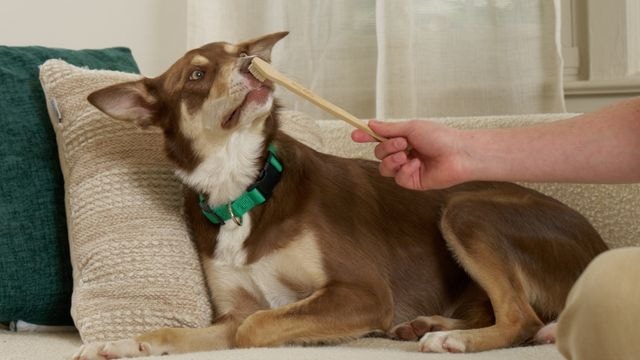
How to Clean Your Dog's Teeth: 7 Methods That Work
Keeping your canine best friend’s teeth sparkling is more than just a beauty routine. It’s essential for their health! Knowing how to clean your dog’s teeth effectively can help prevent plaque buildup, bad breath, and more serious dental issues.
In this guide, we discuss the most effective methods for keeping your dog’s teeth clean, warning signs that indicate your dog’s dental health needs attention, and how to build a dental routine that works.
Talk to your veterinarian to make sure the method(s) you choose are right for your dog.
Key Takeaways
- The most effective way to prevent plaque buildup is with daily brushing. Use dog-safe toothpaste, and introduce the process gradually.
- Dental treats can help fight plaque and tartar as dogs chew. Look for products with the Veterinary Oral Health Care (VOHC) Seal of Acceptance.
- Ask your veterinarian about dental care dog food. This dry food is formulated to reduce tartar, and the larger kibble requires more chewing, which cleans tooth surfaces.
- Fight bacteria in your dog’s mouth with daily water additives that act as a supplement to daily brushing.
- Provide mechanical cleaning through chewing with durable chew toys. For best results, use these alongside other methods and in addition to regular professional cleanings.
- For dogs resistant to brushing, try doggie dental wipes to remove surface plaque. Keep in mind that wipes don’t reach all areas.
- Professional cleanings help remove tartar below the gumline. The frequency of these visits depends on your dog’s oral health.
Why Dental Care for Dogs Matters

Your dog’s oral care routine is vital because most dogs show signs of dental disease by age three.
What causes dental disease? When food particles stay on your dog’s teeth, they form plaque, which can harden into stubborn tartar within just a few days. That tartar can lead to gum inflammation and bacteria buildup.
If ignored, these bacteria can cause infections that can spread to the bloodstream and throughout your dog’s body, where they can damage their heart, liver, and kidneys. Regular dental care is the best way to help your canine best friend live a healthier life.
7 Ways to Clean Your Dog's Teeth
1) Brush Your Dog's Teeth
Daily brushing is the best and most effective way to remove plaque and stop tartar in its tracks. Just be sure to always use toothpaste made for dogs, as the human version can be toxic for your canine best friend.
How to Introduce Tooth Brushing
Introducing your dog to tooth brushing is a gradual process that can take around two weeks. Start by letting your dog taste the toothpaste. When they’re comfortable with that, gently rub their teeth at the gumline with your finger to build trust. Gradually move to a soft dog toothbrush, child-sized brush, or finger brush.
Keep these sessions short, and reward your dog for staying calm. With patience and consistency, they’ll get used to the routine, and it will become a stress-free part of your day.
2) Give Dental Treats
Dental treats are a delicious way to help fight plaque, tartar, and bad breath while your dog snacks. Their texture scrapes away plaque and cleans teeth as your dog bites down.
When shopping for dental treats, look for the Veterinary Oral Health Care (VOHC) Seal of Acceptance, which proves that the product actually works to remove plaque and tartar. Then follow the package directions to avoid overfeeding and extra calories.
Keep in mind that dental treats are best used in addition to regular brushing and professional cleanings, not as a replacement for them.
3) Feed Dental Care Dog Food
Another way to help keep your dog’s teeth clean is to feed them dental care dog food. These special recipes are formulated with a unique kibble texture that cleans teeth as your dog chews.
How does it do that?
Unlike regular kibble that crumbles easily, many dental care dog foods feature larger pieces designed to withstand the puncture of the tooth. Every time your dog bites down, the kibble scrapes plaque and tartar off their teeth.
Some of these dog foods carry the VOHC Seal for proven effectiveness, but always consult a veterinarian before switching your dog’s primary diet.
4) Use Water Additives
If getting their teeth brushed isn’t your dog’s favorite thing, water additives might be your new best friend. These liquid solutions are designed to fight bacteria and freshen breath with very little effort on your part.
Simply add a small amount of the additives to your dog’s water bowl every day according to the package instructions. If you choose this option, look for high-quality brands that don’t contain alcohol or xylitol so they’re safe for daily consumption.
Just keep in mind that water additives aren’t a total replacement for scrubbing. They’re a great way to help keep your dog’s mouth clean and fresh between brushings. Consult your veterinarian for more information and for product recommendations.
5) Provide Chew Toys
Chewing is a natural instinct for your dog, and the right toy can turn that instinct into a fun, easy teeth-cleaning session.
Durable rubber chew toys scrub your dog’s teeth when they bite down. That mechanical scrubbing helps remove surface plaque and prevent tartar from forming. This keeps teeth smooth and gums healthy.
Always supervise your dog to make sure they don’t swallow any pieces. And avoid extremely hard items like real bones or antlers that can shatter (and become a choking hazard) or cause painful tooth fractures.
Stick to hard-yet-flexible, dog-safe materials that give your dog’s jaw a workout and keep their mouth healthy.
6) Try Dental Wipes
For dogs that aren’t fond of the toothbrush (no matter how much you work with them), dental wipes may be the solution.
These textured pads allow you to manually remove surface plaque simply by wrapping a wipe around your finger and rubbing it on the outside of your dog’s teeth.
While dental wipes are great for cleaning the flat surfaces of the teeth, they can’t reach the tiny crevices on and between teeth as well as a toothbrush can. Still, they’re an effective way to clean your dog’s mouth in-between more thorough brushings and professional cleanings.
7) Schedule Professional Cleanings
Even with the best home care, your dog still needs a professional cleaning to keep their teeth, gums, and mouth healthy.
These cleanings involve scaling and polishing your dog’s teeth to remove tartar that builds up under the gumline where brushes and other dental solutions can’t reach. Your veterinarian will also perform a full oral exam to catch any hidden issues before they become major problems.
Most dogs benefit from a professional visit every 6 to 12 months, depending on their breed, age, and at-home care routine.
Dental Cleaning Methods Comparison
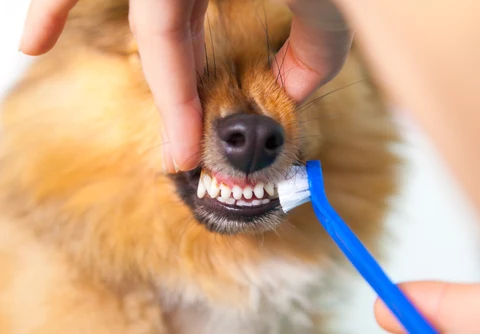
Table of Contents
To give your dog the best dental care possible, it’s important to understand that not all cleaning methods provide the same level of prevention and protection.
Some are perfect for daily maintenance, while others are necessary for deep cleaning. Use the table below to compare the options and build a custom routine that fits your lifestyle and your dog’s personality.
Method | Effectiveness | Best For | Limitations |
Brushing | High | Daily plaque prevention | Requires training; does not remove tartar |
Dental Treats | Moderate | Dogs who resist brushing | Does not clean below gumline |
Dental care dog food | Moderate | Daily maintenance through feeding | Must be fed dry |
Water Additives | Low to Moderate | Supplementing other methods | Not effective alone |
Chew Toys | Low to Moderate | Mechanical cleaning during play | Does not replace brushing |
Dental Wipes | Moderate | Dogs resistant to brushing | Cannot reach between teeth |
Professional Cleaning | Very High | Tartar removal and oral exam | Requires anesthesia; periodic visits |
Note: A combination of daily at-home care and regular veterinary cleanings provides the best protection against dental disease. Consult your veterinarian for personalized recommendations.
Signs Your Dog Needs Dental Attention
Your dog’s mouth and teeth get a lot of use every day, so it’s important to keep a close eye on their dental health between veterinary visits.
Common signs of trouble include persistent bad breath; yellow or brown tartar buildup on teeth; red, swollen, or bleeding gums; difficulty eating or chewing; and repetitive pawing at their mouth.
Other signs that your dog may require a veterinarian’s attention include:
- Loose or missing teeth
- Drooling more than usual
- Reluctance to play with toys
- Changes in eating habits or weight loss
If you notice any of these signs, schedule a veterinary dental exam right away.
Support Your Dog's Dental Health with GREENIES™ Treats

Learning how to clean your dog’s teeth and maintain a consistent schedule doesn’t have to be a struggle. For most dogs, dental treats are the way to go!
GREENIES™ Dog Dental Treats are recommended by veterinarians and designed to clean teeth down to the gumline. Their unique texture helps fight plaque and tartar buildup while freshening your dog’s breath.
But veterinarians aren’t the only ones who recommend our treats! Many dog parents choose GREENIES™ Dental Treats as well. Why?
Because they’re VOHC accepted for plaque and tartar control, clean teeth with a unique chewy texture, are available in multiple sizes for dogs of all breeds, and are easy to give as a daily treat.
Shop GREENIES™ Dog Dental Treats here!
Contributor
Jessica Gilliam is a veterinarian with more than 14 years of clinical experience, specializing in small animal medicine. She is passionate about surgery, dentistry, mentorship, and education. Jessica serves as the Community Chair for the Tennessee Market at Banfield and oversees Mars Petcare’s PetConnect chat, which offers free educational support for pet parents. In her free time, she enjoys hiking and baking.
References
- https://vcahospitals.com/know-your-pet/dental-cleaning-in-dogs
- https://vcahospitals.com/know-your-pet/brushing-teeth-in-dogs
- https://www.dogstrust.org.uk/dog-advice/health-wellbeing/at-home/dog-dental-hygiene
- https://www.rspca.org.uk/adviceandwelfare/pets/dogs/health/teeth
- https://www.animalhumanesociety.org/resource/four-ways-clean-your-pets-teeth
- https://www.avma.org/resources-tools/pet-owners/petcare/pet-dental-care
- https://kb.rspca.org.au/knowledge-base/how-should-i-take-care-of-my-cat-or-dogs-teeth/