

12 Easy Remedies for Bad Dog Breath and Why It Happens
If you have a dog with halitosis, also known as bad breath, you’re not alone. Although some reasons for bad breath indicate a health issue, often it’s just a result of plaque buildup, poor oral hygiene, or eating something unpleasant.
In this article, we’ll share the reasons your dog may have bad breath and how to tell when it requires medical attention. We’ll also offer 12 easy ways to freshen your dog’s breath at home.
Key Takeaways
- Bad breath in dogs is common but not normal and usually signals a dental or health issue that needs attention.
- The most common cause is plaque and tartar buildup on your dog's teeth, which daily dental care can help prevent.
- Mild, hygiene-related bad breath often responds well to at-home care like brushing, dental treats, and diet adjustments.
- VOHC-accepted dental treats can help reduce plaque and tartar buildup between brushings as part of a consistent routine.
- Persistent or unusual breath odors, such as ammonia, sweet, or rotten smells, may indicate a serious condition and should be evaluated by a veterinarian.
What Causes Bad Dog Breath?
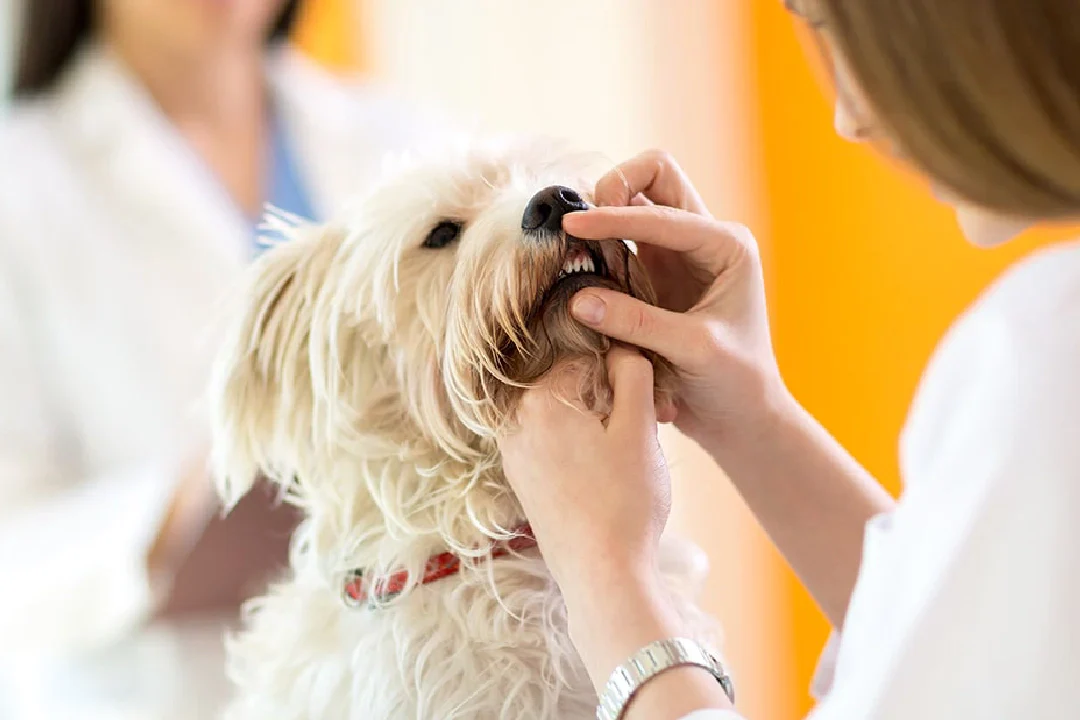
Just like humans, dogs can often suffer from bad breath. Let’s take a deeper look at what causes it.
Diet, Hygiene, and Behavioral Factors
One of the most common reasons your dog may have bad breath is poor oral hygiene. When dental plaque hardens into tartar on a dog’s teeth, it produces a stinky odor.
Another common (and gross!) reason for their bad breath is if your dog eats unmentionables, like poop, garbage, or dead animals. Even low-quality food containing fillers and artificial ingredients can make their breath stink.
The bad breath smell could also be due to an uptick of bacteria from a stick, bone, or toy stuck in their teeth, or from a lack of water.
Health Factors
In some cases, bad breath can be a sign of serious health issues. For instance, it could indicate your dog has periodontal disease, a condition where bacteria from plaque and tartar infect the gums. It could also indicate kidney disease caused by a toxin buildup in the bloodstream.
Sometimes, dogs can develop bad breath from an oral tumor or infection, or from ketone buildup caused by uncontrolled blood sugar, signaling diabetes. If your dog is also vomiting, not eating, or has yellow eyes, their bad breath could be the result of liver disease.
Acid reflux, intestinal blockages, and digestive imbalances are other conditions that can cause breath odor.
What Different Breath Odors Mean
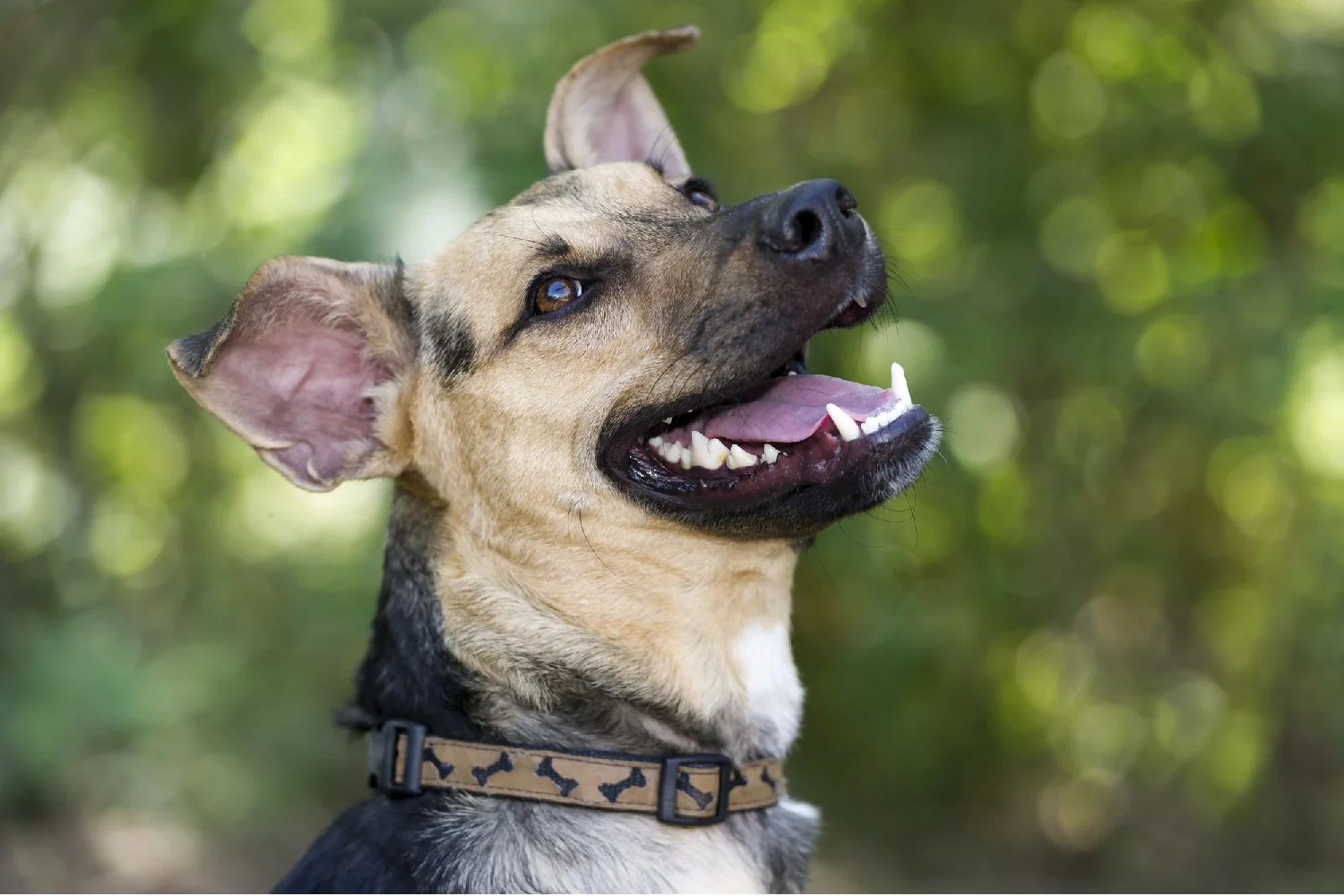
Table of Contents
The term “bad breath” is a bit vague and all-encompassing. Honing in on the specific scent of your dog’s breath can give you a clue as to what’s causing it.
Why Does Your Dog's Breath Smell Like Fish?
If your dog’s breath smells like fish, it’s likely thanks to a fish-based dog food or treat. However, the fishy smell can also be caused by dental disease, gum infection, kidney disease, or anal gland issues.
Why Does Your Dog's Breath Smell Like Metal or Iron?
Bleeding gums, cuts, kidney disease, or an oral injury can give your dog’s breath a metallic scent. This is common when a puppy is teething or if a dog has been licking a wound.
Why Does Your Dog's Breath Smell Like Rotten Eggs?
The rotten egg smell is most commonly the first sign of periodontal disease and bacterial buildup. It could also indicate gastrointestinal issues, like acid reflux or a digestive imbalance.
Why Does Your Dog's Breath Smell Like a Skunk?
If your dog’s breath smells a bit skunky, they may have an oral infection, severe gum disease, an abscessed tooth, or, the obvious: They may have gotten too close to a skunk.
12 Remedies for Bad Dog Breath
1) Check Your Dog's Mouth
Check your dog’s mouth to see if something has gotten stuck in their teeth. While you’re there, check for tooth discoloration, extra saliva, or pus-filled sores, and if you notice anything, make an appointment with your veterinarian.
2) Brush Your Dog’s Teeth
Your dog might not be so keen on toothbrushing, but doing it daily can really improve their oral health. Choose a toothbrush the right size for their mouth, with soft bristles.
As for toothpaste, visit your veterinarian and purchase a dog formula (human toothpaste can be dangerous!). Choose a flavor your dog will appreciate, like beef or poultry. Just don’t leave your dog’s toothpaste out between brushings, as your dog may mistake it for a treat!
How To Brush Your Dog's Teeth
Start by squeezing a pea-sized amount of dog toothpaste onto a soft-bristled toothbrush, and let your dog sniff and lick the toothpaste so they can get used to it. Once they’re feeling comfortable, lift your dog’s lips gently to expose their teeth and gums.
Then spend two minutes brushing your dog’s teeth in small circular motions, focusing on the back molars and the gumline. After you’re done, give your pup a treat for being a good dog!
Keeping the brushing session short and giving positive reinforcement throughout will help your dog get accustomed to the routine. Aim to brush their teeth daily, although even a few times a week will make a difference.
3) Keep Fresh Water Available
Keeping your dog’s water bowl filled and fresh is not only important for their hydration but also for their saliva production. Saliva rinses their mouth and neutralizes bacteria.
Drinking plenty of fresh water also helps reduce the chance of dehydration, which worsens bad breath.
4) Give Your Dog Dental Treats And Chews
Dental treats and chews can keep that stinky smell at bay by helping to fight tartar and plaque.
For instance, GREENIES™ Dental Treats feature a chewy texture to help your dog’s mouth stay clean to the gumline and are accepted as at-home dental care by the Veterinary Oral Health Council(open in new tab).
One dental treat a day with lots of clean drinking water can help keep their breath fresh.

5) Evaluate Your Dog’s Diet
It may be that your dog’s bad breath is from gastrointestinal problems, potentially caused by the food they eat. If you notice it’s a recurrent problem, read the label on their food and scan for ingredients that might be allergens.
You may want to switch to a higher-quality food with more natural ingredients and fewer fillers and additives. Just don’t forget: Before changing your dog’s diet, run it by your veterinarian. They can help you transition so you don’t cause your dog even more gastrointestinal distress.
6) Try Coconut Oil
According to some studies(open in new tab), virgin, cold-pressed coconut oil can help combat bad breath (as well as improve digestion, metabolism, coat quality, and even, for older dogs, mental abilities). That said, don’t give too much because coconut oil is high in calories.
And if you notice your dog vomiting, having diarrhea, or that their poop is slimy, lower the dosage or stop giving coconut oil completely until you talk to your veterinarian.
7) Feed Your Pup Carrots and Apple Slices
Apple slices and carrots can also freshen your dog’s breath because the crunchiness helps to remove plaque before it hardens. Be sure to core the apple and discard its seeds, and cut pieces appropriate for your dog’s breed and size to prevent choking.
8) Increase Good Bacteria with Probiotics
Adding probiotics increases the number of beneficial bacteria in your dog’s digestive tract so the stinky, harmful bacteria don’t take over. You can do this through supplements or supplement powder.
9) Let Your Pup Play and Chew
Giving your dog a chew toy can also help remove soft plaque before it hardens into tartar. Ropes, squeaky bones, and dental chew toys work well.
Be sure to avoid anything hard enough to fracture your pup’s teeth. If you can’t press your thumbnail into the toy and leave an indentation, it’s probably too hard.
10) Use a Water Additive for Oral Health
If offering fresh water and cleaning your dog’s teeth doesn’t do the trick, you may consider dental water additives to freshen your dog’s breath. Look for products with a VOHC Seal of Acceptance, and introduce the additive gradually so your pup can get used to the taste.
11) Dog-Proof Your Home
If your dog’s food preferences make you scrunch your nose in horror, it’s no wonder their breath stinks. Keep your pup from eating poop or other gross stuff by making sure trash cans are out of reach and picking up after your other animals.
12) Use Dental Wipes for Quick Cleaning
For a quick refresh, dental wipes can remove plaque and improve your dog’s breath without a toothbrush. Although not as effective as brushing, dental wipes are a quick option for on-the-go or in-between brushings. Use them daily or several times a week for best results.
Think of it this way: Skipping your dog’s dental care is like never brushing your own teeth. The difference is that your dog can’t tell you when their mouth hurts.
When to See a Veterinarian
Home remedies can work wonders for hygiene-related bad breath, but if the smell doesn’t go away after two weeks, you may want to make a trip to the veterinarian. Do the same if their breath has a foul or rotten smell or an unusual scent, like urine or fruit.
You’ll also have to take your dog to the veterinarian if you notice changes in your dog’s mouth, such as:
- Tartar buildup
- Swollen or bleeding gums
- Loose teeth, sores, or masses in the mouth
- Facial swelling near the eye or the jaw
- Behavioral changes like drooling, reluctance to chew, vomiting, lethargy, or weight loss
Say Goodbye to Your Dog’s Bad Breath with GREENIES™
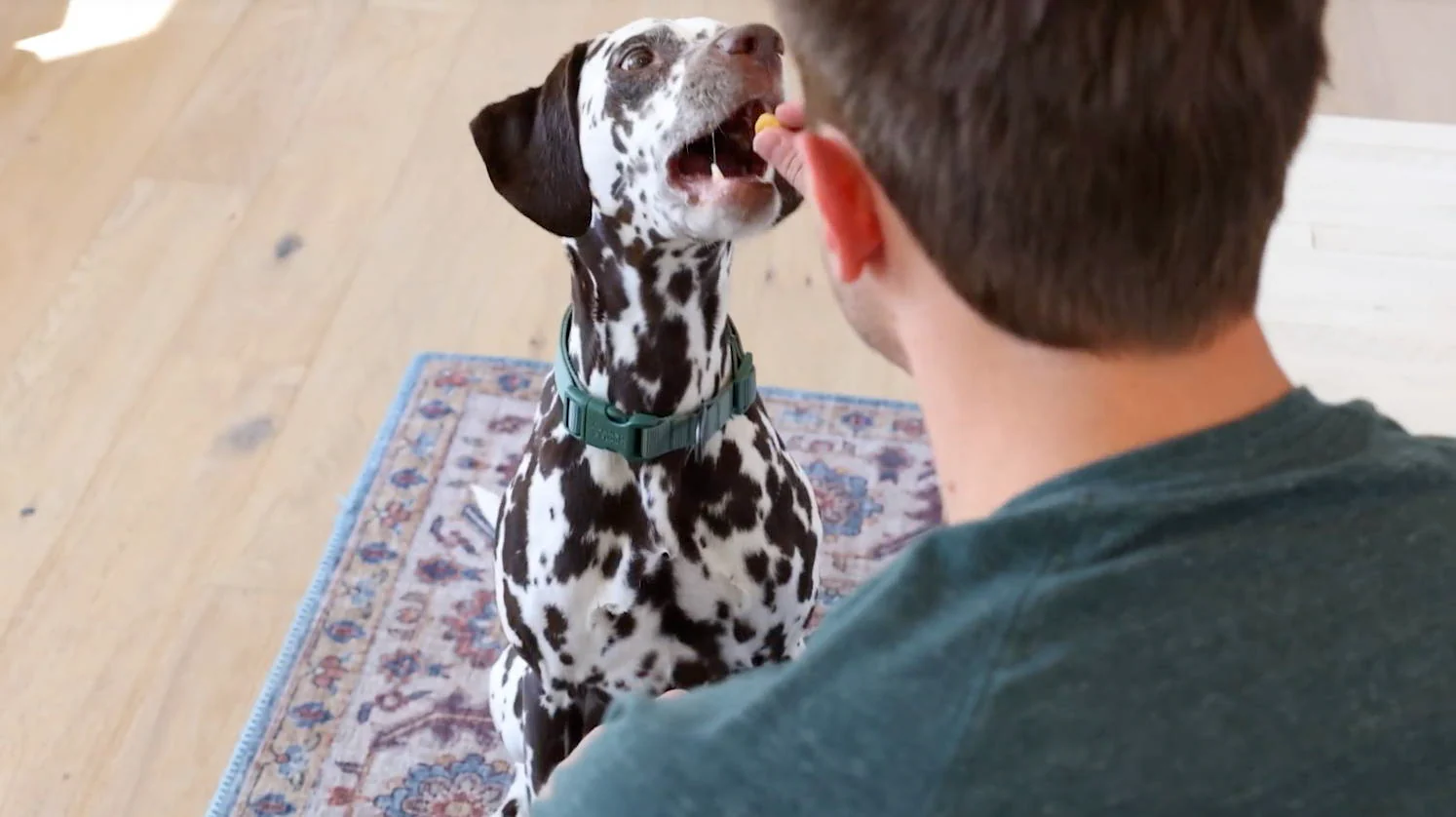
Home remedies can improve your dog’s bad breath and help you develop a sustainable oral hygiene routine for your pet.
As part of that routine, try GREENIES™ Dental Treats. Thanks to their unique texture, these dental chews clean down to the gumline to help fight plaque and tartar and freshen your dog’s breath.
Give the remedies we’ve mentioned here a try, and when your dog showers you with sweet, fresh-smelling puppy kisses, you’ll know your efforts have paid off!
Contributor
Dena Bley is a registered veterinary technician with 25 years of experience and Sr. Expert Advice Team member. She began her career as a researcher at P&G before joining the Pet Health and Wellness Team at Mars 2014. With deep roots in Ohio, Dena brings over a decade of research experience and a passion for animal care, complemented by her hands-on work with a variety of animals on her family’s small farm.
References
- https://vcahospitals.com/know-your-pet/halitosis-in-dogs(open in new tab)
- https://www.vet.cornell.edu/departments-centers-and-institutes/riney-canine-health-center/health-topics/canine-health-information/periodontal-disease(open in new tab)
- https://www.akc.org/expert-advice/health/dental-care-dog/(open in new tab)
- https://www.akc.org/expert-advice/health/is-coconut-oil-good-for-dogs/(open in new tab)
- https://healthtopics.vetmed.ucdavis.edu/health-topics/canine/halitosis-dogs(open in new tab)
- https://www.akc.org/expert-advice/health/coconut-oil-dogs/(open in new tab)
More Articles Like This
Why Does My Dog Lick Everything?
Dogs lick due to boredom, anxiety, affection, or medical issues. While occasional licking is normal, persistent licking requires a veterinarian visit.
READ MORE
Dog Dental Cleaning: What To Expect And How To Prepare
Dog dental cleanings can help your pup feel their best. Learn what to expect from these vet visits and what you can do at home to keep their teeth healthy.
READ MORE
2 Steps on How to Fix Bad Dog Breath
Dog parents are no strangers to bad breath. From waking up to smelly puppy kisses to being held captive in a car with your dog's stinky breath, you've had your fair share of not-so-fresh breath encounters. But, there's a simple routine you can follow to help get rid of your dogs bad breath.
READ MORE
Why Does My Dog Eat Gross Stuff — and Should I Be Worried?
Sometimes dogs will look at a lawn or a dog park and see a big, tasty buffet: dirt, grass, poop and who knows what else? Dogs eating odd nonfood items is a relatively common behavior; the condition even has a name: pica. But you keep your pooch well-fed with plenty of tasty, nutritional food, so why would they choose t
READ MORE